Transitioning from Demo Mode to Real Play: A Look at SpinBet’s Pokie Offering
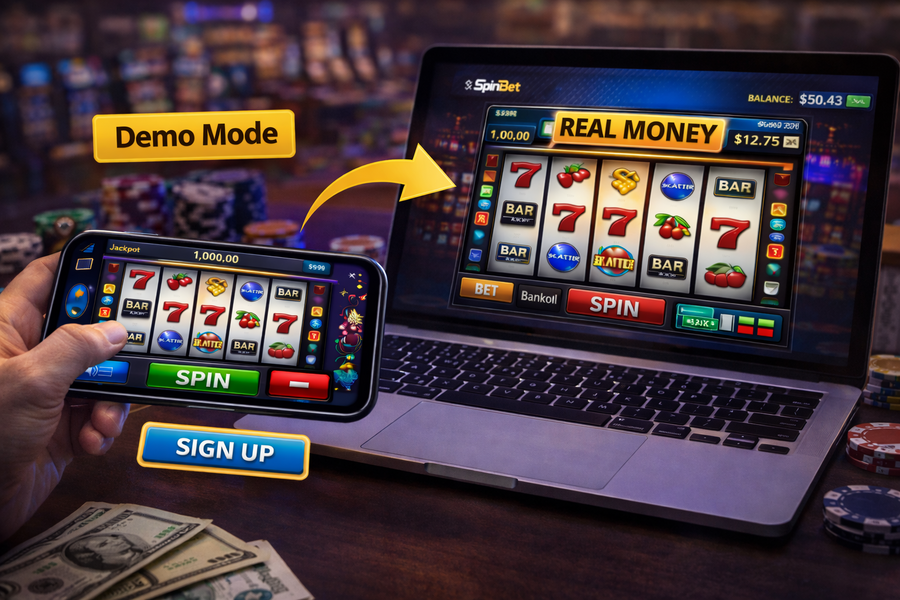
Demo play has become a common entry point for players exploring digital slot games. It serves as a way to understand mechanics, but it does not replicate the financial implications of real-money gambling. Demo modes illustrate structure and volatility patterns, yet the psychological and monetary factors differ once actual funds are involved. This contrast becomes more apparent when users transition into real-money sessions within SpinBet’s pokie library, where financial responsibility directly shapes decision-making.
Within the online pokies new Zealand segment, demo access often represents a platform’s first point of interaction with players. It enables experimentation without financial exposure. However, the dynamics shift once wagering begins. Recognising the structural differences between simulated and funded play helps contextualise user behaviour and clarifies expectations during the transition.
Demo Play Inside a Pokie Library
Many online casino platforms provide demo access across a wide range of pokie titles. The underlying mechanics remain identical between demo and real-money modes. Reels operate the same way. Volatility does not change. Bonus features follow the same logic. The key distinction is straightforward but significant: demo credits carry no monetary value.
This makes demo play useful for testing features and understanding pacing. A player can explore a high-volatility pokie to observe how bonus rounds trigger or how extended dry spells may unfold. What is absent, however, is financial consequence. Without real funds at risk, expectations can shift away from the realities of actual wagering.
Key Differences Between Demo and Real Money Play
While demo and real-money modes may look identical on screen, several practical differences emerge once real funds are involved.
| Aspect | Demo Mode | Real Money Mode |
| Balance type | Virtual credits | Cash balance |
| Decision Sensitivity | Low | High |
| Session discipline | Often loose | Requires control |
| Withdrawal value | None | Subject to balance rules |
From analytical experience reviewing player behavior, these differences directly influence decision-making. A player who spins freely in demo mode may struggle with discipline once losses carry real financial weight.
Top 5 Adjustments Players Face When Moving Beyond Demo
- Bet Sizing Becomes Critical
Demo play often encourages unrealistic stake levels. In real-money sessions, these stakes can deplete a bankroll quickly. - Variance Feels More Noticeable
Outcomes that may seem routine in demo mode can feel different when real funds are involved, as financial considerations naturally influence how results are perceived. - Session Length Shortens Naturally
Real-money play tends to reduce session duration due to increased awareness of spending. - Decision Fatigue Appears Faster
Financial consequences increase cognitive load during play. - Exit Decisions Matter More
Stopping points become essential to avoid unplanned spending.
Moving From Demo to Real Play
The transition from demo mode to real-money play often follows a gradual pattern. Players typically begin by testing a game without financial exposure, then proceed to registration and a modest initial deposit. The shift tends to be incremental rather than abrupt, reflecting a measured approach to risk.
Within the structure used by Spinbet, account balances and bankroll tracking remain clearly visible during gameplay. That visibility alters how outcomes are perceived. Demo environments, even when mathematically identical, cannot reproduce the awareness that comes with wagering actual funds.
Player Examples in Practice
A player tries out several pokies in demo mode, then settles on two that feel familiar. After moving to real-money play, the stake is reduced and sessions stay brief. The demo phase offers a reference point, but the approach shifts to match personal budget limits.
Gambling Advisory Notice
All real-money gambling involves financial implications and uncertain outcomes. No demo experience can eliminate the unpredictability of real-money play. Results are not guaranteed, and any outcome is possible. Players should approach real-money pokies strictly as discretionary spending.
In closing
Transitioning beyond demo play represents a typical progression within online casino environments. Demo modes are useful for understanding structure and feature mechanics, but they cannot fully reflect how gameplay dynamics shift once real funds are involved. Financial exposure influences decision-making in ways that simulated credits do not reproduce.
For that reason, demo sessions are best approached as preparation rather than replication. Real-money play tends to function differently when guided by defined limits and realistic expectations. Recognising the structural gap between simulated and funded modes supports a more deliberate transition.
These observations apply broadly across digital pokies. Within Spinbet’s pokie library, the contrast between demo and real-money modes illustrates how platform structure can make that distinction more visible without altering the underlying mathematics of the games.