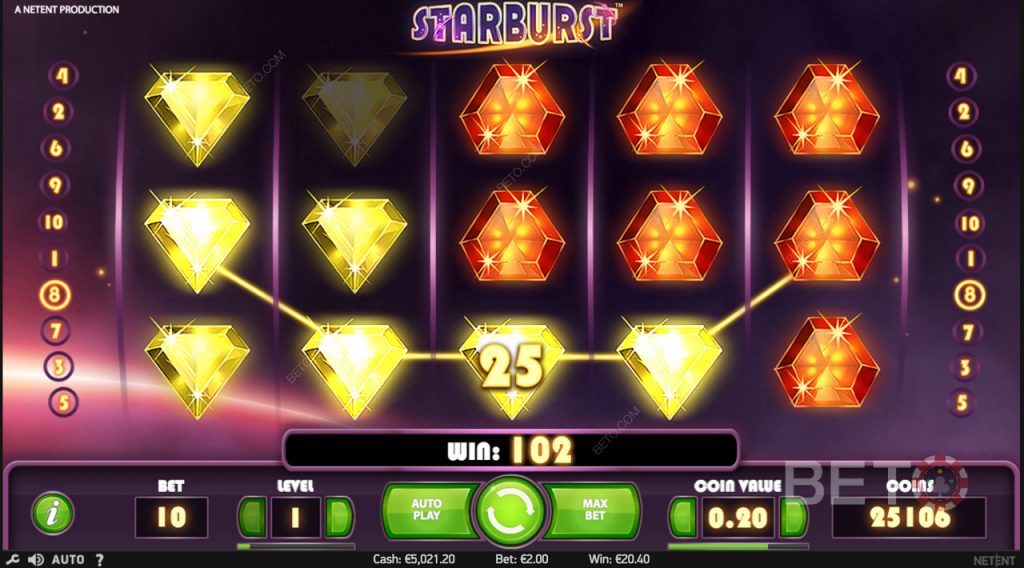
Slot machines have long captivated players with their bright lights, immersive soundtracks, and the promise of instant wins. At the heart of every slot game lies a fundamental feature that defines both the gameplay and the outcome: the reels. Slot machine reels are more than just spinning columns of symbols – they represent a complex blend of mathematics, psychology, and digital innovation. This review explores the mechanics, variations, and impact of reels in modern slot games, offering insight into how they have evolved and why they continue to dominate the gambling landscape.
A reel in a slot machine is a vertical column that spins when the game is activated. Traditional mechanical slots had physical reels with a fixed number of symbols, typically 20 or fewer. Today’s digital reel slot games are powered by random number generators (RNGs) that allow for a much larger pool of symbols and outcomes. This transformation has increased game complexity, volatility, and the potential for massive payouts.
Most modern slots use 5 reels, although 3 reels slots still exist and are cherished for their simplicity and nostalgia. The number of reels determines how combinations are formed and, by extension, the likelihood of triggering bonuses or jackpots. The alignment of symbols across these reels – either in straight lines or more complex patterns – determines wins.
The structure and layout of the reels directly influence gameplay. Designers use reels to craft specific player experiences, balancing frequency of wins with payout sizes. For example, 3-reel slots often have fewer paylines and are designed for quick, straightforward sessions. In contrast, 5-reel formats offer expanded possibilities for themes, animations, and bonus features.
Here’s a comparison of reel configurations:
| Reel Count | Typical Paylines | Game Complexity | Player Experience |
|---|---|---|---|
| 3 Reels | 1–9 | Simple | Classic, retro feel |
| 5 Reels | 20–100+ | Moderate to High | Modern, feature-rich |
| 6+ Reels | Hundreds or more | Very High | Immersive, innovative |
As seen in the table, the number of reels has a significant impact on both the mechanics and feel of the game. More reels usually mean more paylines, which leads to increased engagement and varied winning combinations.
Each symbol on the reel is linked to an internal value within the RNG system. While it may appear that all symbols have equal chances of appearing, game developers use virtual reel mapping to increase or decrease the likelihood of specific outcomes. This process ensures that the odds are maintained over time, resulting in a reliable and regulated payout percentage known as the Return to Player (RTP).
On average, most online slots feature an RTP between 94% and 97%, meaning that over time, the machine will return that percentage of wagered money to players. Higher volatility games will offer less frequent but larger wins, while low volatility games provide smaller, more consistent payouts.
One of the most engaging innovations in recent years has been the introduction of slots with tumbling reels. Unlike traditional slots where symbols stop and remain static, tumbling reels cause winning symbols to disappear and be replaced by new ones cascading from above. This can lead to consecutive wins in a single spin, enhancing player excitement and extending gameplay without additional bets.
Tumbling reels, sometimes referred to as cascading reels, also support multipliers that increase with each successful tumble. This creates a snowball effect where a single spin has the potential to unlock a sequence of lucrative payouts. It’s a significant leap from static play, offering dynamic movement and visual stimulation that appeals to newer generations of gamers.
Free 5 reel slot games have become widely accessible thanks to online platforms. These versions allow players to test game features, understand mechanics, and develop strategies without financial risk. While no real money is won, the structure of free games typically mirrors their real-money counterparts, making them excellent tools for both entertainment and education.
These free games showcase the diversity and creativity of modern slot design. Themes range from ancient mythology to futuristic cities, and bonus rounds often include interactive elements like pick-a-prize games or expanding wilds. Five-reel setups allow for greater storytelling and immersive audio-visuals, reinforcing the popularity of this format among casual and seasoned players alike.
Modern reel slot games incorporate a wide variety of gameplay enhancements tied directly to reel behavior. These features not only influence the game’s tempo but also affect player decision-making and perceived control. Here are some of the most common reel-related elements:
These mechanisms elevate the role of reels from simple outcome determinants to strategic elements, keeping players engaged and enhancing overall satisfaction.
The visual and auditory feedback from spinning reels plays a crucial psychological role. Research in game design shows that the anticipation created during reel spins triggers dopamine release in the brain -similar to the response found in other rewarding activities. The illusion of control, especially in features like stopping the reels manually or choosing bonus rounds, enhances this effect.
Even the way reels come to a stop – suddenly or gradually – can affect a player’s perception of fairness and excitement. Developers often choreograph reel motion to maintain player focus and emotional investment.

With the rapid shift toward mobile gaming, developers have had to rethink how reels behave on smaller screens. Touch controls, vertical gameplay, and accelerated spin mechanics have been introduced to accommodate short sessions on the go. The challenge has been to retain the tactile satisfaction of spinning while ensuring smooth animations and responsiveness.
Mobile-optimized games have also pushed the boundaries of creativity, leading to innovations like diagonal reels, floating symbols, and grid-based games where reels don’t follow the traditional vertical format. This shift demonstrates how the core concept of reels remains relevant, even as its visual representation evolves.
Some of the most popular modern slot games feature expanding reels and changing reel counts per spin. This is most commonly seen in Megaways slots, where the number of symbols per reel varies dynamically, resulting in hundreds of thousands of potential ways to win. It’s a far cry from the static setup of 3 reels slots and showcases how deeply flexible reel mechanics have become.
In progressive slots, reels may unlock different tiers of jackpots or initiate bonus rounds that are triggered based on reel-specific events. This adds a layer of long-term engagement and appeals to players seeking life-changing wins.
Slot machine reels are no longer simple spinning columns; they are the engine behind nearly every innovation in the gaming industry. Whether you prefer the simplicity of 3 reels slots or the visual richness of free 5 reel slot games, the reel remains central to gameplay. Innovations like tumbling reels continue to reshape the player experience, offering depth, variety, and excitement.
By understanding how reels function, players can appreciate the balance of chance and design that defines modern slot gaming. Reels are where math meets art, and their evolution tells the story of the entire slot industry.
Slot games have changed. In some cases, they’ve virtually changed beyond recognition when compared to the mechanical slots of years gone by.
A big industry and loads of developers and brands working to create great slot games has led to more options than ever. This means new terms and mechanics that a lot of people have taken the time to learn.
Slot machines used to be simple. Pull a lever and aim to match a few cherries on a payline. The industry has exploded into something much more complex and colorful.
Modern slot games blend flashy graphics with layered features. Thanks to HTML5 and mobile tech, players can now spin reels on phones, tablets, or desktops without downloading a thing. Games are slicker, faster, and often packed with wild mechanics. Developers try to stand out with inventive bonuses and soundtracks that wouldn’t feel out of place in a movie.
Slot games are evolving at warp speed. There’s a huge push to keep things fresh when new slot games come out, and some titles play like video games with missions and storylines. Others borrow from classic casino vibes but add digital flair. This shift has brought new terms for people to learn and new gaming language.
So much of the evolution of casino games has happened in the internet era. We’ve gone from a few basic choices pre-Internet (or in the early dial-up days) to the world we’re in now. There are many slots, including seasonal options that people may choose to play around Christmas and other holidays.
Let’s break some of it down.
Starting with the basics. Most slot games still use reels, which are those spinning columns that show different symbols. A typical game has three to five reels, but it’s not a strict rule. Some use different designs. Reels come from the early days of slot machines when they were mechanical and needed these actual reels to spin.
Rows run horizontally. Combine the two, and you get a grid. A five-reel, three-row setup is pretty standard in some older slots, but that’s changing too. Some newer slots use unusual shapes or layouts, or even unlockable reels.
Paylines are the paths where symbols need to line up for a win. Early slots had just one payline straight across the middle. Now it’s common to see 20, 40, or even 100 paylines and sometimes more. Then there’s the “ways to win” approach, which ditches fixed lines altogether. Games using this format (like those with 243 or 1,024 ways) just care about matching symbols on adjacent reels, no matter where they land on each.
Two words that pop up often in slot lingo are wild and scatter. Wilds are like jokers in a card game. They can step in and act as other symbols to help form winning combinations. Some wilds stay in place for several spins. Others expand to fill whole reels. There are sticky wilds and shifting wilds that bounce around in some games.
Scatters are different. These usually trigger special features like free spins or bonus rounds. The cool part? They don’t have to land on a specific line. Just getting a certain number anywhere on the screen is often enough to unlock something big.
Many modern slots include at least one bonus feature. Often it’s a free spins round, where the reels spin without costing credits. These rounds sometimes include multipliers or stacked wilds to ramp up the excitement.
Other games get more creative. Players might enter a mini-game where they pick treasure chests or spin a prize wheel. There are cascading reels where symbols vanish after a win, making space for new ones. Some slots even have progressive jackpots that grow across months until someone wins the whole thing.
All of this has become so much easier since the internet caught up with the appetite for games. Think about the way that things used to look and how difficult it was to play games in the early days of mobile. HTML5 has changed the way that games are made and modern mobile tech. Some games used to rely on the early days of Adobe Flash – this was often pretty clunky and has now been discontinued.
Understanding slot terminology doesn’t impact whether players get wins, but it helps make the experience more enjoyable. With so many mechanics and features packed into modern slots, knowing the basics goes a long way.
As the industry keeps evolving, expect even more creative twists and new terms, plus hybrid game styles that blend slots with action or adventure. Mechanics are always being tweaked, and developers are looking for new ways to improve their games and create something a little different for players.
In an era of 3D graphics, cinematic animations, and interactive storylines, one might assume that traditional slot machines have faded into obscurity. Yet, nothing could be further from the truth. Classic slots continue to command attention in both physical and digital casinos worldwide. These simple yet captivating games embody the foundational principles of slot gaming, offering a no-frills, nostalgic experience that appeals to seasoned gamblers and curious newcomers alike.
This article explores what makes classic slots so enduring, the features that distinguish them from modern video slots, and why they remain a staple in the gaming world. Whether you’re exploring the reels for the first time or rekindling a love affair with old-school machines, understanding their unique charm will enhance your appreciation of this timeless format.
Classic slots typically refer to machines that emulate the original physical slot games found in land-based casinos. These games are defined by their minimalistic layout – traditionally featuring three reels and a limited number of paylines, often just one. They usually incorporate well-known symbols such as cherries, BARs, bells, and sevens. The user interface is intentionally straightforward, lacking the extensive bonus rounds and features common in modern video slots.
While classic slots may lack complexity, they are celebrated for their clarity and fast-paced action. Players who prefer a more direct path to potential winnings appreciate their predictability and rhythm, unmarred by layered gameplay mechanics or intricate story arcs.
With the rise of internet-based gambling platforms, classic slot online games have seamlessly transitioned from physical cabinets to digital screens. Developers have stayed faithful to the roots of these machines, maintaining their iconic designs while subtly enhancing them with crisp graphics, smoother animations, and improved compatibility across devices.
The online adaptation has allowed a new generation of players to experience this genre without the need to visit a land-based venue. Many platforms even offer demo versions, letting users enjoy free classic slots without placing real bets – a perfect entry point for those curious about retro-style gaming.
To understand why classic slots still thrive, it’s useful to compare them directly to their modern counterparts. The table below outlines key differences:
| Feature | Classic Slots | Modern Video Slots |
|---|---|---|
| Reels | 3 | 5 or more |
| Paylines | 1 to 5 | Up to 100+ |
| Bonus Features | Rare or None | Multipliers, wilds, scatters, mini-games |
| Graphics | Minimalistic, often 2D | 3D animations, cinematic sequences |
| Target Audience | Traditionalists and beginners | Younger, tech-savvy players |
Classic slots remain popular not out of mere nostalgia, but because they deliver a distinct gaming experience rooted in simplicity. Here are some of the primary reasons players still prefer these retro reels:
For those ready to raise the stakes, classic slots real money options are readily available across licensed platforms. These games maintain their traditional feel while integrating secure banking methods and fair RNG (Random Number Generator) technology to ensure transparency. Betting options are typically modest, catering to casual players and low-stakes enthusiasts, although higher denominations can also be found for those chasing bigger wins.
Before wagering, it’s wise to check the game’s Return to Player (RTP) rate – many classic slots hover around an RTP of 95% to 97%. While this doesn’t guarantee outcomes, it does provide insight into long-term expected returns.
There is a certain psychological appeal to classic slots that contributes to their continued success. The human brain often favors patterns and predictability. When the game mechanics are intuitive and immediate, it becomes easier for players to experience a sense of control and engagement. This is in contrast to more complex slot games, where an overload of stimuli may dilute focus and satisfaction.
Classic slots capitalize on this preference for streamlined interaction. Much like puzzles or card games with straightforward rules, these slots offer players a form of mental relaxation – where outcomes are clear and attention remains undivided.
Exploring free classic slots is an excellent way to sample the experience without financial commitment. Many gaming websites feature demo modes that allow users to spin reels without real-money risk. These versions maintain the full mechanics and aesthetics of their paid counterparts, making them ideal for both practice and entertainment.
It’s worth noting that while you can’t win real money in these versions, the thrill of chasing symbol combinations and hearing those satisfying chimes still delivers a fulfilling experience. They also offer a risk-free environment to experiment with different bet sizes and strategies.
Despite technological advancements, classic slots remain cultural icons. Their visual motifs have been embedded in pop culture, seen in everything from films and TV shows to mobile gaming apps. Even non-gamblers recognize the signature ding of a winning spin or the visual of three 7s aligning in perfect harmony.
Moreover, modern slot developers often pay homage to classic styles by releasing hybrid games – digital titles that incorporate three-reel layouts but add a few contemporary twists such as bonus symbols or minor animations. This fusion keeps the old-school spirit alive while catering to evolving player preferences.
Accessibility and moderation remain key factors in the classic slot experience. These games are easy to pick up, making them accessible to a broader audience. However, simplicity should not be mistaken for harmlessness. Like any form of gambling, slot play requires discipline. Setting time and budget limits, using responsible gaming tools, and avoiding emotional decisions are all vital to maintaining a healthy relationship with slot games.
Regulated platforms often integrate features like session timers, deposit limits, and self-exclusion tools to help players stay in control. Whether playing for fun or real money, these safeguards are essential, particularly when games are as fast-paced and easy to engage with as slots.
The short answer is yes. While trends in game design will continue to evolve, the demand for simplicity, nostalgia, and rapid engagement ensures that classic slots will hold their ground. Developers will likely continue to release new titles in this style, drawing inspiration from their predecessors while subtly modernizing their presentation.
In a digital age dominated by complexity and choice overload, the minimalist philosophy of classic slots offers a refreshing alternative. As long as there are players who value clarity, speed, and retro aesthetics, these games will remain an essential part of the slot machine landscape.
Blackjack is one of the most enduring and iconic card games in the world, with a rich history that spans centuries and continents. Known for its combination of skill, chance, and strategy, it remains a cornerstone of both physical and online casinos. But how did this simple game of cards become such a global phenomenon? Understanding the history of blackjack means tracing a path through French salons, American saloons, and the modern digital age.
The earliest known predecessor of blackjack can be found in 17th-century France. A game known as “Vingt-et-Un,” which means “twenty-one,” was played in the royal courts during the reign of King Louis XV. This game had several features similar to modern blackjack, including the goal of reaching 21 without exceeding it. Spanish and Italian card games such as “Trente-un” and “Seven and a Half” may also have influenced its development.
Vingt-et-Un made its way across Europe and eventually reached North America through French colonists. By the 18th century, the game was becoming popular in American gambling houses, particularly in New Orleans, where it was played in underground establishments. Though the rules varied by region, the core concept remained: outscore the dealer without busting.
While the exact moment when blackjack was invented in its recognizable modern form is hard to pinpoint, most historians agree that the game evolved significantly during the early 1800s in the United States. Casinos in Nevada began offering incentives to draw players to their tables. One such incentive was a special payout for a hand containing the ace of spades and a black jack (either the jack of clubs or the jack of spades), which led to the game being dubbed “blackjack.”
Although the bonus payout promotion eventually faded, the name stuck. The game’s rules were standardized over time, and by the mid-20th century, blackjack had become a fixture in legal casinos across the United States. The combination of relatively low house edge and the ability to apply mathematical strategies gave blackjack a competitive edge over games of pure chance like roulette or slots.
Many players wonder, why is blackjack called blackjack when the objective is to reach 21? The answer lies in a promotional twist introduced by American gambling houses in the early 20th century. To encourage players to try their version of Vingt-et-Un, some casinos offered a 10-to-1 payout for hands that consisted specifically of the ace of spades and a black jack – either the jack of clubs or the jack of spades. This hand was considered a “blackjack,” and even though the special payout disappeared, the name caught on and became synonymous with the game itself.
In the 1950s and 60s, blackjack entered a new era of blackjack strategic sophistication. Mathematicians began to analyze the probabilities associated with different hands. Most notably, in 1962, Edward O. Thorp published *Beat the Dealer*, a groundbreaking book that introduced the concept of card counting. Using statistical models, Thorp showed that players could gain an advantage by tracking the ratio of high to low cards remaining in the deck.
His work transformed blackjack from a game of intuition into a quasi-scientific challenge. Casinos responded by introducing multiple decks and shuffling machines to curb the efficacy of card counters, but the cat was out of the bag. The idea that blackjack could be “beaten” helped solidify its cult-like following among skilled players.
Blackjack has played a recurring role in popular culture, appearing in countless movies, books, and TV shows. From the 1988 film *Rain Man* to the dramatized tale of the MIT Blackjack Team in *21*, the game’s blend of elegance and mental acumen makes it a favorite subject in media. Celebrities, professional gamblers, and even mathematicians have become synonymous with the blackjack world, contributing to its enduring allure.
With the advent of the internet and mobile gaming, blackjack found a second wind in the 21st century. Online casinos began offering virtual and live dealer blackjack tables, making the game accessible to players worldwide. Digital versions allow for rapid play, while live blackjack replicates the feel of real-world casinos through high-definition streaming and professional dealers.
Today, blackjack is available in countless formats – classic, European, Atlantic City, and even innovative variations like multi-hand or progressive blackjack. Despite these evolutions, the core principles of the game remain unchanged, a testament to its timeless appeal.
When it comes to modern slot machines, few elements are as crucial to gameplay as paylines. Whether you are a casual player or an experienced enthusiast, understanding how paylines work can significantly enhance your gaming experience and help you make more informed decisions. This detailed review will explain everything you need to know about paylines in casinos, shedding light on how they function, the types available, and what players should consider when choosing a slot game.
At its core, a payline is the specific line across the reels on which a winning combination must land for the player to receive a payout. Traditionally, slot machines featured a single horizontal line across three reels. However, today’s online and land-based slots offer a far wider variety of paylines, ranging from just one to hundreds, or even thousands, thanks to innovations like “Megaways” mechanics.
Understanding the way slots paylines are structured is essential. They can run horizontally, vertically, diagonally, and even zigzag across the reels, depending on the game’s design. The more paylines a slot has, the greater the number of potential winning combinations—but also the higher the cost per spin if you choose to bet on all available lines.
When discussing paylines in casinos, it’s important to distinguish between fixed and adjustable paylines. In a fixed-payline slot, every line is active with each spin, ensuring that players never miss a potential win. Adjustable paylines, on the other hand, allow players to select how many lines they wish to activate, thereby controlling their bet size.
For instance, if a game offers 25 paylines and allows adjustment, you can choose to bet on fewer lines, potentially reducing your total wager per spin. However, deactivating lines also means that potential winning combinations on those lines will not pay out.
The concept of paylines has evolved significantly over the years. Here’s a breakdown of the most common types found today:
| Type of Payline | Description | Example |
|---|---|---|
| Single Payline | One straight horizontal line | Classic 3-reel slots |
| Multi-Payline | Multiple lines, often up to 50 or more | 5-reel video slots |
| Ways to Win | No traditional paylines; winning based on matching symbols anywhere | 243 ways, 1024 ways slots |
| Megaways™ | Dynamic paylines that change each spin, offering up to 117,649 ways to win | Advanced video slots |
| Cluster Pays | Winning combinations formed by clusters of symbols, not lines | Grid-based slots |
Each type offers a different gameplay experience, and understanding which one suits your style can make a substantial difference in your enjoyment and success.
More paylines often mean more excitement, but they also bring their own set of pros and cons. Here’s a quick overview:
Advantages:
Disadvantages:
Choosing how many paylines to play is a balancing act between managing your bankroll and maximizing your winning chances. Experts often recommend activating all available paylines whenever possible, especially when playing slots with bonus features that are triggered by specific combinations.
However, if you are playing on a budget, selecting fewer paylines in adjustable games can be a strategic choice. Just be aware that inactive paylines can result in frustrating near-miss scenarios where winning combinations appear on unselected lines.
If you want to make the most of paylines in casinos, consider these strategies:
The rise of “ways to win” mechanics, such as 243 or 1024 ways, has brought a new dynamic to slot gaming. Unlike traditional paylines, where symbols must align on specific lines, ways-to-win slots allow for payouts based on adjacent matching symbols, starting from the leftmost reel.
Here’s a quick comparison:
| Feature | Paylines | Ways to Win |
|---|---|---|
| Line-Specific | Yes | No |
| Bet Control | More flexible | Usually fixed |
| Winning Frequency | Depends on number of active paylines | Generally higher |
| Payouts | Often higher per win | Often lower per win but more frequent |
Neither system is inherently better than the other; it largely comes down to personal preference and play style. Players who prefer straightforward gameplay may enjoy traditional paylines, while those seeking more frequent action might favor ways-to-win slots.
Understanding slots paylines explained is essential for anyone serious about enjoying slot games to the fullest. Whether you are attracted to the simplicity of a single payline or the complexity of hundreds of winning ways, knowing how paylines in slots work empowers you to choose games that align with your goals and playing style.
Paylines in casinos are far more than just lines on a screen—they are the framework that shapes your entire gaming experience. As online slots continue to evolve, with dynamic features and innovative structures, mastering the concept of paylines will remain a cornerstone of successful and enjoyable gameplay.
When you spin the reels next time, take a moment to appreciate the intricate design behind each win—and play smarter, not harder.
When walking into a casino, whether it’s your first time or your hundredth, there’s a term you’ll frequently encounter at the poker tables: table stakes. Though it may sound like industry jargon, understanding this concept is crucial to playing poker effectively and within the rules. This review will explore what table stakes mean, how they function in a casino setting, their implications on strategy, and why they matter to casual and serious players alike.
In the most straightforward terms, table stakes refer to the maximum amount of money a player is allowed to wager in a game, based solely on the amount they have on the table at the beginning of a hand. Players are not permitted to reach into their pockets or bring in additional funds once a hand has begun. If you’re in a game governed by table stakes rules, your play is limited to the chips in front of you.
This rule is foundational in both live and online poker, providing fairness and stability to the game. By eliminating the advantage of players who might be able to afford to “buy a win” mid-hand, it ensures that poker remains a game of skill, psychology, and resource management—not just bankroll size.
The table stakes meaning goes beyond simple regulation; it’s part of the culture of poker itself. The term also carries metaphorical weight. In business and negotiation, for instance, “table stakes” refers to the minimum requirements needed to participate in a given endeavor. But in poker, it has a more defined and enforceable structure. It is a form of equalizer, one that preserves the integrity of the game across different levels of skill and financial capacity.
Imagine you sit down at a No-Limit Texas Hold’em table with $500 in chips. Another player sits with $2,000. Regardless of their larger stack, they can only win up to $500 from you during any single hand. You are never at risk of losing more than what you have on the table. This concept is known as “capping the action,” and it’s fundamental to table stakes poker.
Furthermore, if you run out of chips during a hand but still have a viable hand, you are considered “all-in.” A side pot is then created for the remaining active players who still have chips to bet. This ensures fair play and that no player is forced out of a hand purely because they can’t match an unlimited raise.
Not all casino poker games use the table stakes format. In some private or informal settings, you may encounter “open stakes” or “deep stack” formats where players can rebuy during a hand. These games often favor wealthy participants and introduce volatility that’s generally considered unfair or undesirable in regulated environments.
Below is a comparison table of table stakes vs. alternative formats:
| Feature | Table Stakes Format | Open Stakes Format |
|---|---|---|
| Max bet per hand | Limited to on-table chips | Can add money mid-hand |
| Fairness | High | Low |
| Popular in casinos | Yes | Rarely |
| Suitable for casual players | Yes | No |
| Encourages skill-based play | Yes | Less so |
| Risk management | Predictable | Unpredictable |
As shown above, table stakes provide a controlled and more balanced environment, especially beneficial for new players and those managing a limited bankroll.
For seasoned players, understanding and adapting to table stakes rules is a part of overall poker strategy. Since you can’t add money mid-hand, effective bankroll management becomes essential. Knowing when to rebuy between hands, how much to bring to the table initially, and how to adjust your play based on chip stacks are all critical components of poker success.
For casinos, the table stakes format simplifies gameplay management, lowers dispute risk, and keeps casino games moving efficiently. Dealers don’t need to stop games for rebuy interruptions, and floor managers are less frequently called in to mediate disputes over betting amounts.
Moreover, regulators favor table stakes for consumer protection. By capping loss exposure to what’s physically on the table, players avoid going into unforeseen losses or making emotionally driven rebuys mid-hand.
The advent of online poker has further entrenched the table stakes model. Virtually every licensed online poker room adheres to table stakes rules. Digital platforms automatically enforce chip limits and side pots, reducing human error and making the game accessible to a global audience.
What’s more, the consistency of these rules across platforms allows players to seamlessly move between games and formats without having to relearn the rules each time.
The table stakes rule is more than just a line in the casino’s rulebook—it’s a philosophy of fairness, a safeguard for players, and a balancing mechanism in games that often involve high stakes and intense psychological play. Whether you’re playing a weekend game at your local card room or sitting down at a major poker tournament, understanding how table stakes function will make you a smarter, more confident, and more successful player.
In poker, as in life, knowing the rules is only the beginning. Mastering them is where the edge lies.